Modular Facades: Flexibility and Expression in Contemporary Residential Architecture
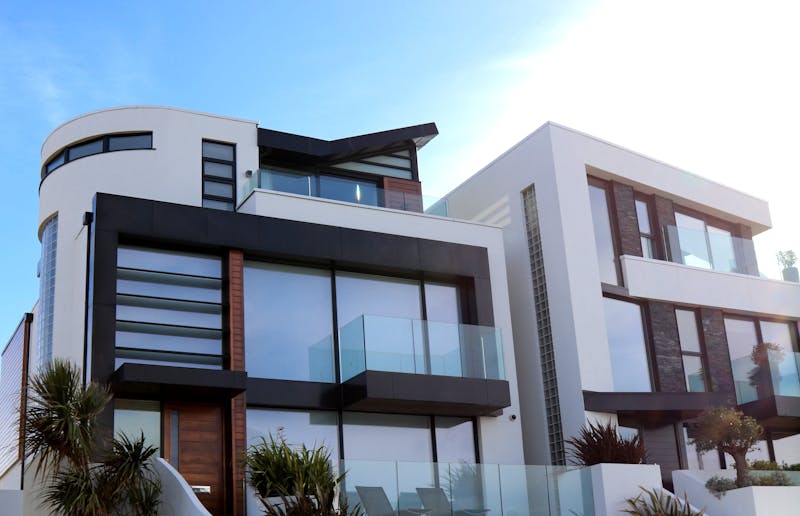
In the search for solutions that combine efficiency, durability, and aesthetic expression, modern architecture has brought the concept of the modular facade back to the forefront. This is not just a trend, but a systematic approach that transforms how we conceive the building envelope.
From Standard Panel to Artistic Composition
Modularity allows for the creation of a customized vocabulary for each project. By assembling prefabricated panels – made of architectural concrete, aluminum, thermally treated wood, or composite systems – we obtain a dynamic facade. Geometry becomes the main tool: squares and rectangles can repeat, rotate, or offset, creating visual rhythms and unique plays of shadow and light.
“The modular facade is the intelligent skin of the building. It protects, insulates, and, at the same time, tells a story.”
The technical advantages are convincing: reduced construction time, superior quality control in workshop conditions, and seamless integration of insulation and ventilation systems. For the owner, this translates into increased durability and predictable maintenance costs.
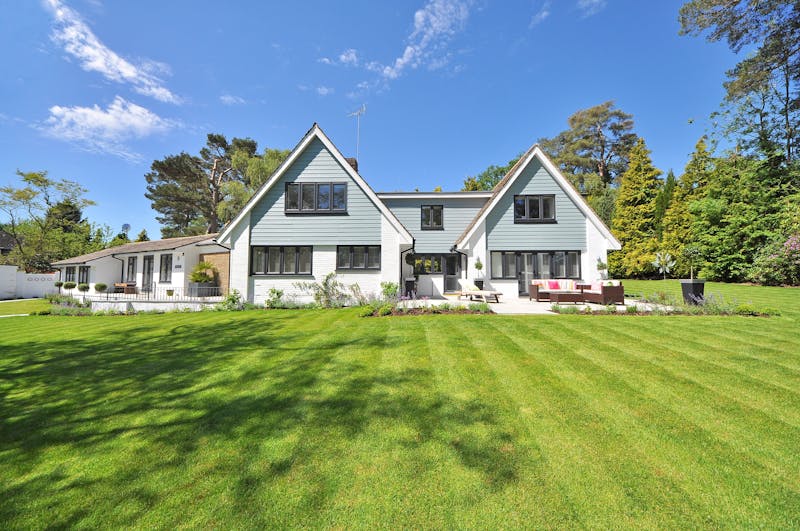
Case Study: Horizon Villa
In the Horizon Villa project, we explored the expressive potential of modules made of exposed aggregate concrete. The panels were arranged in a pattern that amplifies the perception of height and openness towards the landscape. The strategic intercalation of glass modules ensured generous penetration of natural light, while the solid elements provide privacy and thermal protection.
This approach demonstrated that modular design does not mean rigidity, but rather a creative flexibility that responds to both the functional requirements and the aesthetic desires of the client.
The Future is Modular and Sustainable
The direction is clear: the future of residential facades will be increasingly dictated by modular principles and the circular economy. Recyclable materials, systems that allow for the disassembly and reuse of components, and the integration of green elements (such as concealed photovoltaic panels) are the next steps. The exterior design thus becomes not just an image, but an active component of the home's sustainability.